
Pumping and Returning to Work: A Realistic Plan
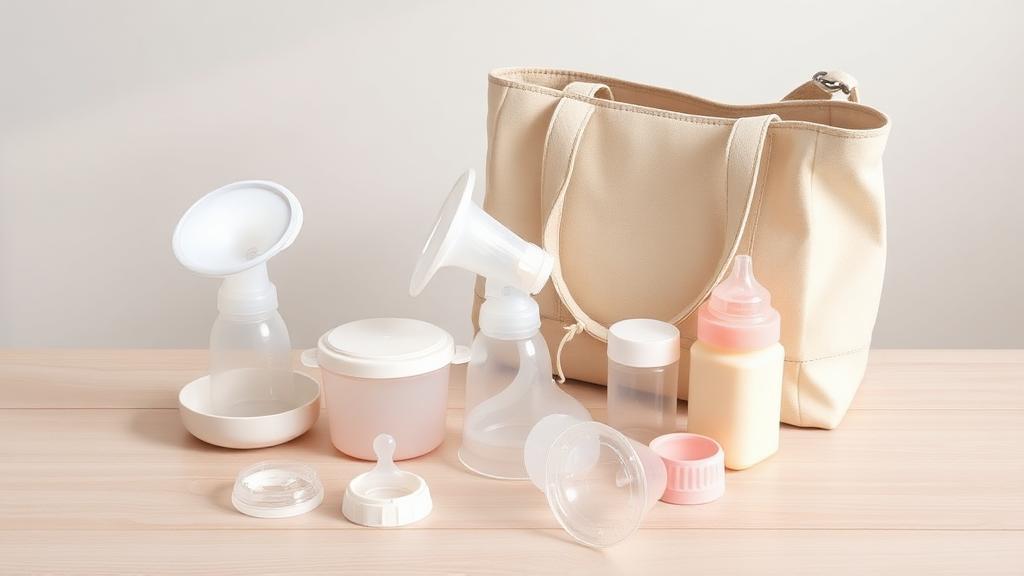
You do not need a freezer full of milk to go back to work. You need a workable rhythm and a plan for the first week.
Start about two to three weeks out
Add one short pumping session a day, usually 30 to 60 minutes after a morning feed when supply is highest. Ten to fifteen minutes is plenty. This builds a modest cushion without disrupting your supply.
How much milk your baby actually needs
Most breastfed babies take 750 to 1,000 mL over 24 hours from one to six months, and that total does not increase much. A typical bottle is 60 to 120 mL. For an eight-hour day away, plan on roughly two to three bottles.
Building the workday schedule
- Pump about every three hours, mirroring the feeds you miss
- 15 to 20 minutes per session
- Feed at the breast right before you leave and as soon as you are back
- Weekends and days off, feed directly to keep supply responsive
Flange fit is not optional
A poorly sized flange is the number one cause of painful, low-yield pumping. Your nipple should move freely in the tunnel without much areola being drawn in. Sizing has become much more granular, and getting it right often adds meaningful volume.
Storage, simplified
- Room temperature: up to 4 hours
- Refrigerator: up to 4 days
- Freezer: about 6 months for best quality, up to 12 acceptable
- Thawed in the fridge: use within 24 hours
Know your rights
Under the federal PUMP Act, most employees are entitled to reasonable break time and a private, non-bathroom space to pump for up to one year after birth. Illinois law provides comparable protections. Ask early and get it in writing.
Get a pumping plan built for you
A single visit can size your flanges, set your schedule, and troubleshoot output. See pumping support or check your coverage.
Ready for Expert Lactation Support?
Compassionate, evidence-based care from Chicagoland's trusted team of IBCLCs.
Call or text us at (847) 220-4192